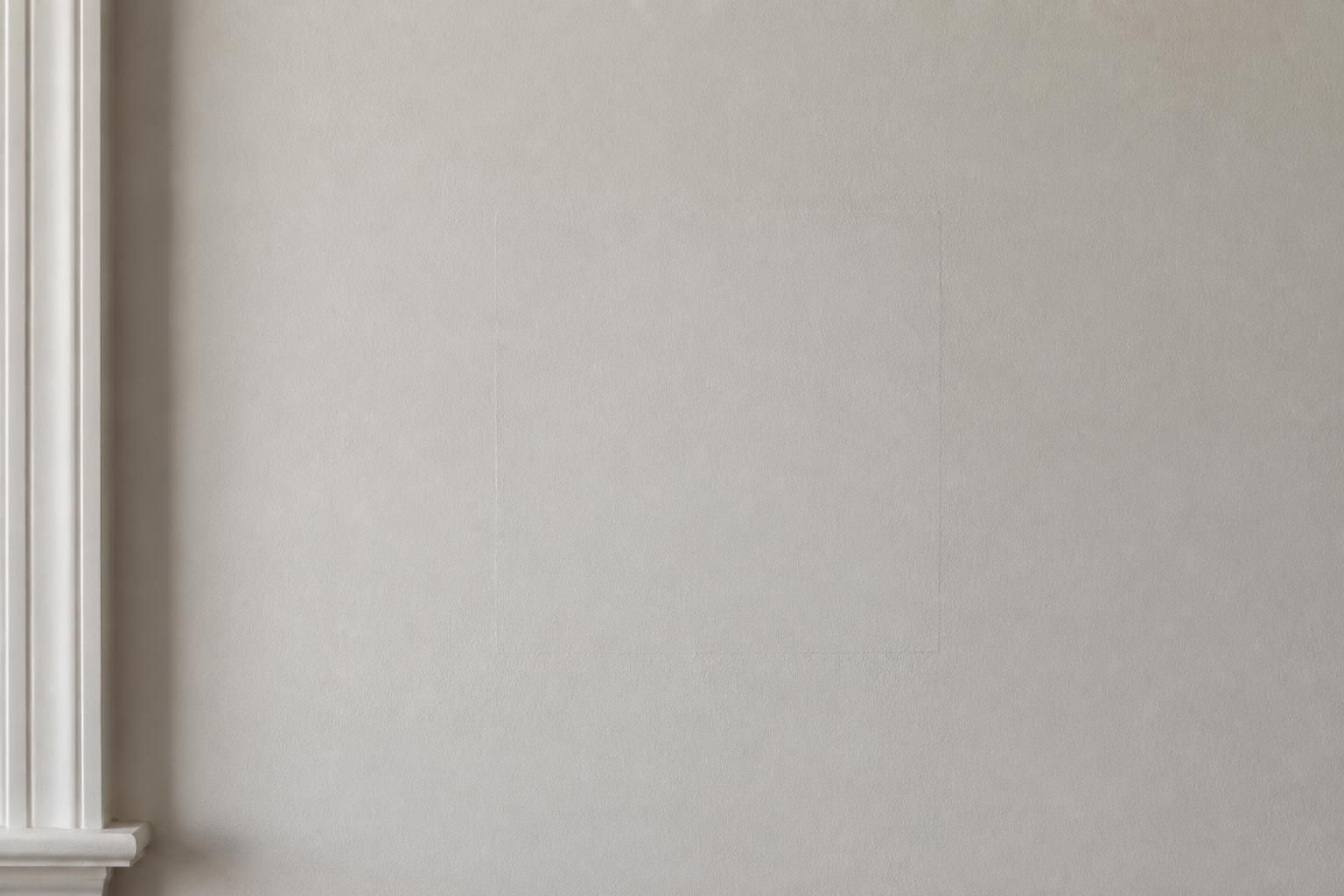
A fresh drywall patch should not stand out every time you walk past it. If the repaired spot catches the light differently, feels rough beside the rest of the wall, or looks like a second fix layered on top of the first, the texture likely needs careful matching.
That mismatch can make a small repair look unfinished even after the paint dries. Drywall Kingz helps homeowners and property managers across Wichita, Kansas blend patches, seams, and ceiling repairs so the surface looks consistent again.
Texture matching matters any time the repair is visible after the drywall work is complete. Some walls have a light knockdown pattern. Others have heavier hand-applied texture, a smooth finish, or a ceiling pattern that needs careful blending. If the repair area stands apart from the rest of the surface, the room can feel incomplete even when the structural repair is sound.
We handle texture matching for small wall patches, larger repaired sections, ceiling spots, water damage repairs, and finish work tied to new drywall installation. The goal is not to hide the repair with paint alone. The goal is to recreate the surrounding look so the patch belongs there.
Texture problems usually show up before paint covers them, but they can be even more noticeable after the wall dries. A careful inspection can reveal the difference right away.
If one of those problems sounds familiar, the finish may need more than a quick coat of paint. Texture matching is the step that helps the repair settle into the room instead of pulling attention.
Drywall Kingz starts by studying the existing surface, not by forcing one pattern onto every repair. Walls and ceilings can change from room to room, and even small differences matter. A patch near trim may need a softer edge. A ceiling repair may need tighter blending to keep the repair from standing out under natural light.
We look at the surrounding texture, the size of the repair, and how the light hits the area.
The patch is finished, sanded, and readied so the texture can sit on a smooth, even base.
We recreate the nearby finish using the texture style that fits the wall or ceiling.
Edges are eased so the repair does not stop sharply at the patch line.
We inspect the area for visual breaks, edge changes, and spots that need another pass.
This process helps the finish look intentional, not patched over. The work is tailored to the surface already present rather than to a one-size-fits-all result.
Different homes and buildings call for different finishing styles. Matching the original texture takes patience, a steady hand, and a clear sense of how the repaired area should sit beside the rest of the surface.
Wall repairs often need blending that keeps the repaired section from drawing the eye. A light finish may need a soft, even pattern. A heavier surface may need more variation so the patch does not look too smooth.
Ceilings can be especially sensitive because light hits them differently throughout the day. Small repairs, water damage repairs, and spot fixes often need texture work that blends across a wider area so the patch does not create a hard outline.
When a repair connects to drywall installation, plastering, taping and mudding, or ceiling repair, the finishing step matters just as much as the structural fix. The texture needs to match the room that already exists, not just the new material on the wall.
Texture matching often comes after another service has already taken care of the damaged drywall. That final step gives the room a finished look.
Whether the job is a single patch or a larger repair area, the finish should not feel separate from the rest of the surface. We focus on that last visual step so the repair looks like part of the room.
Texture matching is influenced by more than the patch itself. The existing material, the age of the wall, the size of the repair, and the surrounding surface all affect how the new texture should be applied.
Older walls may have softened or worn texture that no longer looks as sharp as it once did. A newer repair has to account for that change so the contrast does not show up after the wall dries.
Small areas can often be blended tightly, while larger repairs may need texture feathered farther out. The larger the repair, the more attention it needs at the edges.
Natural light, lamp light, and overhead fixtures can all reveal imperfections. A repair that looks fine from one angle may still need more blending from another.
Drywall Kingz serves both residential and commercial projects across Wichita, Kansas and nearby service areas such as Derby, Haysville, Park City, Andover, Bel Aire, Maize, Goddard, Kechi, El Dorado, Agusta, and Mulvane. The finish needs to fit the space whether it is a living room wall, a hallway ceiling, or a commercial interior with repeated surface repairs.
Commercial spaces often need a consistent appearance across visible walls and ceilings. Homeowners often want repaired areas to disappear into the room without a noticeable patch line. In both settings, texture matching helps the repair look complete.
Texture should be handled before the final paint goes on. Paint can hide minor flaws, but it cannot recreate the surrounding pattern if the repair surface is too smooth, too coarse, or shaped differently than the rest of the wall.
When texture is matched first, paint has a better surface to sit on. That makes the final appearance more even and less likely to reveal the repair later. If you are planning to repaint after drywall repair, this is the moment to make sure the surface pattern is right.
Yes. Small patches are one of the most common texture matching projects, especially after minor drywall repair or isolated damage.
Often, yes. Ceiling texture can look different from wall texture and may need more careful blending because of how light hits overhead surfaces.
Yes. Once damaged material is replaced, matching the surrounding finish helps the repaired area blend with the rest of the wall or ceiling.
We assess the surrounding surface closely and build the finish to fit what is already there. Older or worn texture may take a little more observation before the repair starts.
Yes. After popcorn ceiling removal, the surface usually needs a new finish style or a careful blending approach depending on the desired result.
Yes. We work on commercial drywall projects as well as residential repairs, and the finish is adjusted to suit the space.
If a patch, seam, or ceiling repair still stands out, texture matching may be the step that makes the whole surface look finished. Drywall Kingz helps property owners across Wichita, Kansas and nearby communities bring repaired drywall back into visual balance.
Call +13166197009 or email [email protected] to talk through your repair and the texture it needs.
Get Started
Tell us about your repair, remodel, or new construction project and we will help you plan the right drywall solution for your space. From patching and finishing to texture matching and ceiling repair, we are ready to help.